Cybersecurity Basics & Account Security
Categories
- App Authenticator
- Microsoft Authenticator
- Google Authenticator
- Cybersecurity Basics & Account Security
- Comparison
- 2FA Authenticator
- Email Authenticator
- Password Manager
- Data Breach Check
- Apple Authenticator
- Review
- Best App
- Steam Authenticator
- Binance Authenticator
- Proton authenticator
- Facebook Authenticator

How to Secure Your Home WiFi Network: From Router to Devices
To secure your home WiFi network, use WPA3 Personal or WPA2 Personal, set a long unique Wi-Fi password, protect the router administrator…
October 21, 2026
Personal Cybersecurity Checklist 2026: A Practical Monthly System
Use this personal cybersecurity checklist 2026 to protect your primary email, make every important password unique, enable recoverable MFA, update devices, back…
October 21, 2026
Signs Your Account Is Hacked: What Counts as Evidence?
The clearest signs your account is hacked are actions you did not authorize: an unknown successful session, changed recovery details, messages sent…
October 21, 2026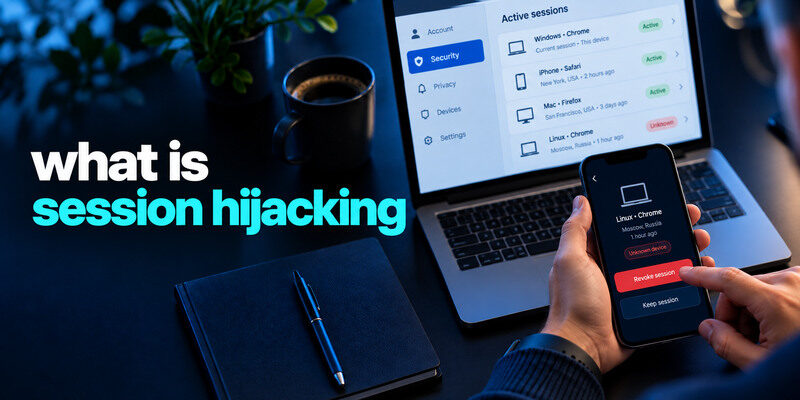
What Is Session Hijacking? How a Stolen Login Session Is Used
Session hijacking is unauthorized use of an active login session, often after a session identifier or token is stolen or fixed. A…
October 21, 2026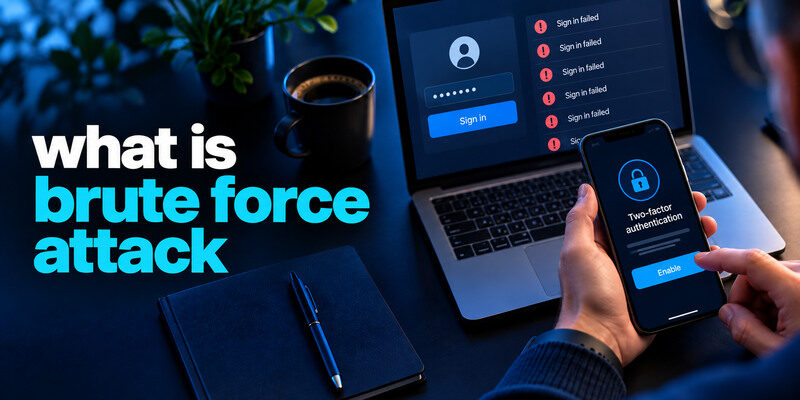
What Is Brute Force Attack? Password Guessing Explained
A brute force attack tries many candidate secrets until one works. For online accounts, that often means repeated password guesses against a…
October 21, 2026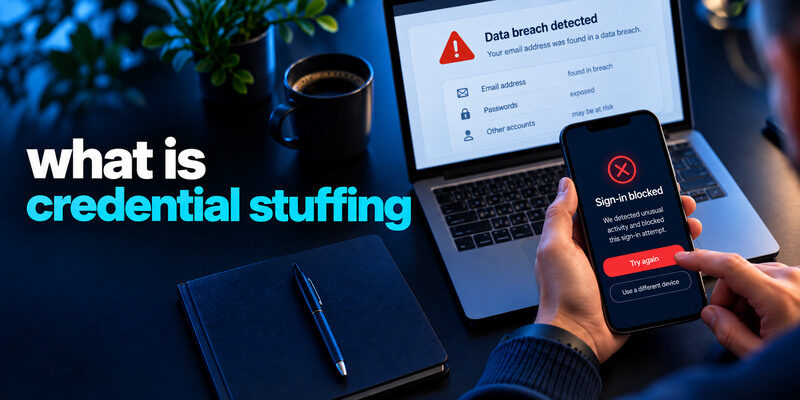
What Is Credential Stuffing? How Reused Logins Become Account Takeovers
Credential stuffing is an automated attempt to sign in to one service using username-and-password pairs stolen from another. It succeeds when people…
October 20, 2026