
Authenticator App Code: How to Get Verification Codes and Fix Common Problems
Published August 24, 2026 · Updated October 5, 2026
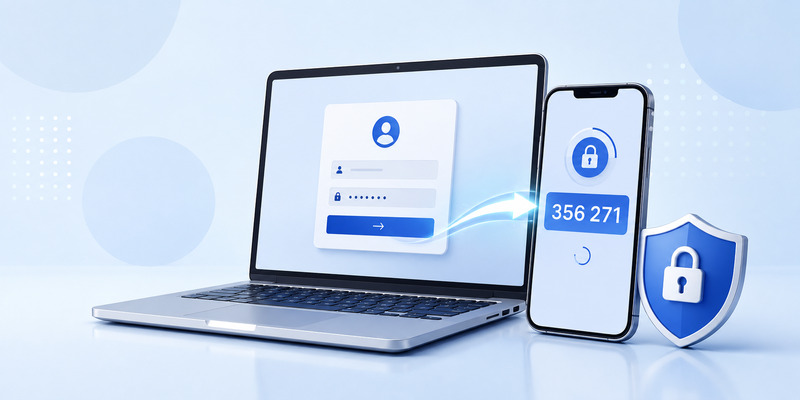
An authenticator app code is typically a 6-digit, time-based verification code that changes every 30 seconds, adding a second layer of protection beyond your password. If a code expires too quickly, is rejected, or simply does not appear in your authenticator app, issues with device time, account setup, or recovery settings may be the cause. This guide explains how authenticator codes work, where to find them, and how to fix the most common verification code problems.
What Is an Authenticator App Code and How Does It Work?
An authenticator app code serves as a secure, secondary layer of protection for two-factor authentication (2FA) or multi-factor authentication (MFA). Unlike standard SMS text verification codes that require mobile network signal, an authenticator app code is generated locally on your mobile phone using Time-based One-Time Password (TOTP) technology.
When you log into a service (such as Google, Microsoft, or Shopify), you will be asked to enter the code generated by your authenticator app. Because the numbers rotate every 30 seconds, even if someone steals your password, they cannot bypass your security without physical access to the generated authenticator app code on your phone.
Download Authenticator App
Secure your accounts with fast, reliable two-factor authentication. Download now and protect your login in seconds.
🗺️ Browse How-To Guides:App Authenticator: Complete Guide to 2FA, OTP Codes, Setup & Recovery
How Do I Get an Authenticator App Code Step-by-Step?

The basic process is simple: open the authenticator, locate the right account, and use the number currently shown. Yet users often have several similar entries or do not know whether the service expects a code, a push approval, or a recovery method.
The fastest way to find the current number
If you are searching for how to get code from authenticator app, start by opening the app on the device where you originally configured 2FA. Look for the account name, service name, or email address. The matching entry should display a rotating six- or eight-digit number and a small countdown indicator.
Copy or type the number immediately into the website. If the countdown is nearly finished, wait for the next number before submitting. This gives you the full validity period and avoids a failed verification caused by entering a code just as it expires.
People sometimes search for authenticator codes as though the app stores a permanent list. It does not. Each code is temporary. The permanent security element is the secret stored when you enrolled the account, not the visible number on screen.
Use the correct account entry
A single authenticator app code only works for one configured account. If you use separate Google, Microsoft, work, banking, shopping, or exchange accounts, make sure the displayed label matches the login page. Two entries for the same provider may also represent different email addresses.
If the account label is unclear, do not randomly delete entries. Instead, compare the email address or username shown in the app with the account you are trying to access. Rename entries only after you confirm their purpose.
Push approvals and codes are not interchangeable
Some services use push notifications. In that situation, you may see “Approve,” “Deny,” or number-matching prompts instead of a six-digit authenticator app code. Other services use both methods, depending on the account type and administrator settings.
For example, a work account can be set up for push approval but not for time-based codes. This is one common reason users expect a code but see nothing. Read the login screen carefully: if it asks you to approve a sign-in, wait for the prompt rather than looking for a TOTP number.
🗺️ Browse How-To Guides:App Authenticator: Complete Guide to 2FA, OTP Codes, Setup & Recovery
How to Get QR Code for Authenticator App Setup?
A QR code is normally used once, during enrollment. It safely transfers the setup secret from the website to your authenticator without requiring you to type a long key manually.
Where the setup QR code comes from
To obtain a qr code for authenticator app, sign in to the service you want to protect and open its Security, Login, Privacy, or Two-Factor Authentication settings. Choose an option such as “Authenticator app,” “Authentication app,” or “Set up manually.” The website then displays a QR code.
The code on that page is not your changing verification number. It is a setup credential. Scan it only with your own trusted authenticator app and never post a screenshot of it online.
If you are wondering how to get qr code for authenticator app, remember that the QR code must be generated by each individual website or service. Your authenticator does not create a universal QR code for every account.
Scan the code correctly
Open the app, choose Add Account or the plus icon, and select Scan QR Code. Point the phone camera at the image shown on the website. Once the account is added, the app begins generating a rotating authenticator app code immediately.
An authenticator app qr code should be scanned only after you have confirmed that the browser is on the real service website. Phishing pages can imitate a familiar QR setup screen. Verify the domain name, use a trusted bookmark when possible, and avoid enrolling through links sent in unsolicited messages.
For Google accounts, the google authenticator app qr code is available during the account’s two-step verification setup. Complete the website’s confirmation step after scanning; scanning alone may not activate 2FA.
Manual setup is a secure fallback
If the camera cannot scan the image, use the “Can’t scan?” or “Enter setup key” option on the website. The service will provide a secret key and may ask you to select time-based authentication. Enter that key in the app manually.
This approach is useful when setting up from the same phone that runs the authenticator. It also helps when a damaged screen or camera prevents scanning. Treat the manual key with the same care as a password: anyone who gets it can generate the same codes.
💡 Discover Helpful Guides: Facebook Authentication App: Setup, Login Codes, and Recovery Guide
Need a fast, reliable 2FA solution for all your accounts?
Don’t risk getting locked out. Try our lightweight, high-security 2FA tool today to generate offline TOTP codes seamlessly.
How to Get QR Code for Authenticator App Setup?
When connecting a new account to 2FA, you need to link the website with your app using a setup QR code. Here is how to get qr code for authenticator app configuration:
-
Log in to the website or service you want to secure and navigate to Security / 2-Step Verification settings.
-
Choose Authenticator App as your primary 2FA method.
-
The platform will display a unique setup QR code on your computer screen.
-
Open your authenticator app, tap the “+” or “Add Account” button, choose Scan QR Code, and align your phone camera with the screen.
-
Once scanned, your app will start generating an authenticator app code immediately.
Why Is Your Authenticator App Not Showing Code or Working Properly?
If your authenticator app not showing code or the service rejects your entry with an “invalid code” error, it usually stems from one of three issues:
1. Device Time Out of Sync
TOTP authentication relies heavily on exact time synchronization between your phone and the server. If your phone clock is off by even a few seconds, the generated authenticator app code will be marked as invalid.
-
Fix: Go to your phone’s Settings > General > Date & Time and toggle on “Set Automatically”.
2. Microsoft Authenticator App Not Showing Code / Requesting Code from Itself
A common issue reported by users occurs when the microsoft authenticator app not showing code or asks for an authenticator code just to sign into the authenticator app itself.
-
Fix: This loop happens when an account profile is deleted or transferred to a new phone without backup. You must sign in using an alternative method (such as SMS or Email backup), contact your organization’s IT Admin to reset your MFA status, or restore from cloud backup.
3. Multiple Account Confusion
Ensure you enter the code generated by your authenticator app for the correct email or service profile, as many users maintain multiple accounts in one app.
How to Recover Lost Authenticator App Codes on a New Phone?
Losing your phone or switching to a new device can prevent you from accessing your authenticator app code. Here is how to regain access safely:
-
Use Backup Cloud Sync: Enable cloud backup in your app settings prior to switching devices. Logging in on your new device will automatically restore your accounts and sync your authenticator app code generator.
-
Use Emergency Backup Codes: When setting up 2FA, most platforms provide 8-digit single-use backup recovery codes. Enter one of these codes on the sign-in page to bypass the missing 2FA app.
-
Re-scan the Setup Code: If you preserved the initial setup key, you can re-learn how to get qr code for authenticator app and re-add the entry on your new phone.
Figure: Never lose your 2FA verification codes again with smart backup & multi-device sync.
Why Choose Authenticator App by Begamob for Your 2FA Security?
Managing 2FA security across multiple platforms requires a trustworthy, seamless tool. Authenticator App by Begamob delivers robust 2FA protection designed to eliminate common issues like missing codes or broken sync.
-
Offline Code Generation: Access your authenticator app code anytime, anywhere—even without Wi-Fi or cellular service.
-
Encrypted Cloud Backup: Safeguard your account credentials so you never lose an authenticator app code when changing phones.
-
Biometric Lock: Secure your sensitive OTP data with Face ID or Fingerprint protection.
Upgrade your digital protection with Begamob‘s intuitive 2FA software designed for maximum performance and peace of mind.
Frequently asked questions
How do I get an Authenticator app code?
To get an authenticator app code, open your 2FA application on your smartphone, locate the profile corresponding to the platform you want to sign into, and view the active 6-digit number. Enter this number into the login prompt before the 30-second timer expires.
Where to find 6 digit code on Authenticator app?
Your 6-digit code is displayed directly on the main dashboard screen of your authenticator app. Each linked account entry displays its account name alongside a rotating 6-digit authenticator app code.
Where is my 6 digit code?
Your 6-digit verification code is generated locally inside the 2FA authenticator app installed on your mobile phone. If you are expecting an SMS text instead, check whether the site is requesting an authenticator app code or a mobile phone verification number.
Where is my Authenticator on my phone?
Search for “Authenticator” in your mobile device’s app drawer or home screen search bar (Spotlight on iPhone, or App Search on Android). If you cannot find it, verify if it was uninstalled or download Authenticator App by Begamob from the App Store or Google Play Store to re-establish your 2FA security.
An authenticator app code is a small number with an important role: it adds a time-limited proof of possession to your password. To use it successfully, make sure you understand whether the website wants a rotating code or a push approval, identify the right account entry, keep device time accurate, and use a fresh code before it expires.
When a code is missing, do not panic or repeatedly guess. Check whether the account is configured for notifications instead, update the app, verify network and time settings, and use trusted recovery options. With secure QR-code setup, a documented new-phone plan, and a refusal to share codes with anyone, your authenticator app code becomes a reliable and effective layer of account protection.
Download Authenticator App
Secure your accounts with fast, reliable two-factor authentication. Download now and protect your login in seconds.